
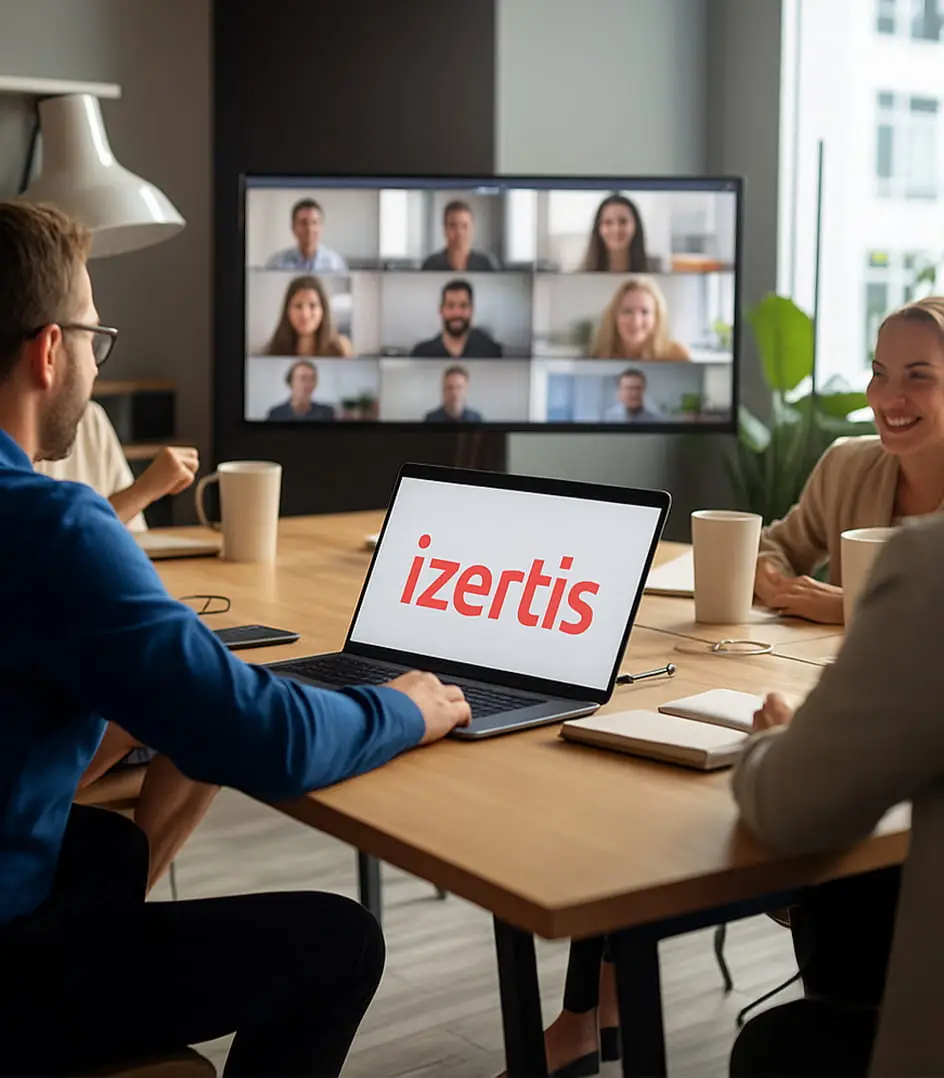
How to manage international projects in a multicultural digital context

Working in internationally environments presents both an opportunity and a complex challenge. Recent increases in technology have allowed for easier collaboration between multicultural work environments, but managing multicultural teams still requires careful coordination, clear communication, and cultural awareness.
The complexity of multicultural collaboration
International projects typically involve multiple teams, stakeholders, and objectives, all influenced by differing norms, expectations, and communication styles. These differences can be enriching, offering diverse perspectives and problem-solving approaches. However, they also carry the risk of misalignment. In some cases, not only is the culture different, but so is the communication, rules, work expectations, decision-making, and conflict resolution.
According to the Project Management Institute (PMI), 40% of projects fail to meet their original goals, and nearly half of those failures are due to ineffective communication. That means poor communication accounts for about 20% of overall project failures, a striking figure, especially in multicultural environments.
Building connection beyond borders
One of the greatest strengths of international teams lies in their diversity. Cultural variety, when embraced, fosters creativity, adaptability, and richer collaboration. The best way to face cultural differences is to build human connections. Establishing these connections can significantly reduce friction in project delivery and increase team morale, especially when navigating cultural differences in expectations or working styles.
The role of technology in bridging the gaps
Of course, cultural alignment must be supported by practical solutions. Collaborating across time zones and geographies requires more than goodwill, it depends on systems that ensure everyone is on the same page. This is where integrated platforms make a measurable difference.
By centralizing data, documentation and workflows, digital tools help eliminate confusion and redundancy.
Dashboards, in particular, provide a shared, real-time view of progress and performance, enabling smarter decisions and faster reactions. Studies show that such platforms can reduce the risk of cost overruns by up to $75M per $1B invested, helping organizations maintain both quality and budget.
Platforms built for international collaboration
Working across time zones is one of the defining challenges of international projects. With team members spread across countries and continents, maintaining alignment requires more than occasional meetings, it demands platforms that enable seamless, real-time collaboration regardless of location.
To navigate the complexity of international project environments, the following digital platforms can provide clear, scalable advantages:
- SAP S/4HANA helps large enterprises, especially in manufacturing and logistics, centralize real-time data and dashboards across regions, enabling smooth coordination and eliminating delays caused by misaligned information.
- Microsoft Power BI is a strong choice for finance and consulting teams needing clear, visual insights to support remote, data-driven decision-making and enhance collaboration across borders.
- Infor ERP supports industries like supply chain and retail by unifying core processes - such as resource planning and performance tracking - into a seamless, scalable system ideal for distributed operations.
- Talentia CPM simplifies budgeting, forecasting, and financial consolidation, making it a smart fit for finance and HR teams looking to maintain consistency and alignment across international subsidiaries.
At Izertis, our experts help organizations implement and customize these solutions to meet the specific demands of multicultural, distributed teams, transforming geographic complexity into operational clarity.
Authors: Marta Leitão in collaboration with Maelee Roach and Sierra Stewart.